




10 everyday tasks Support at Home can actually help with
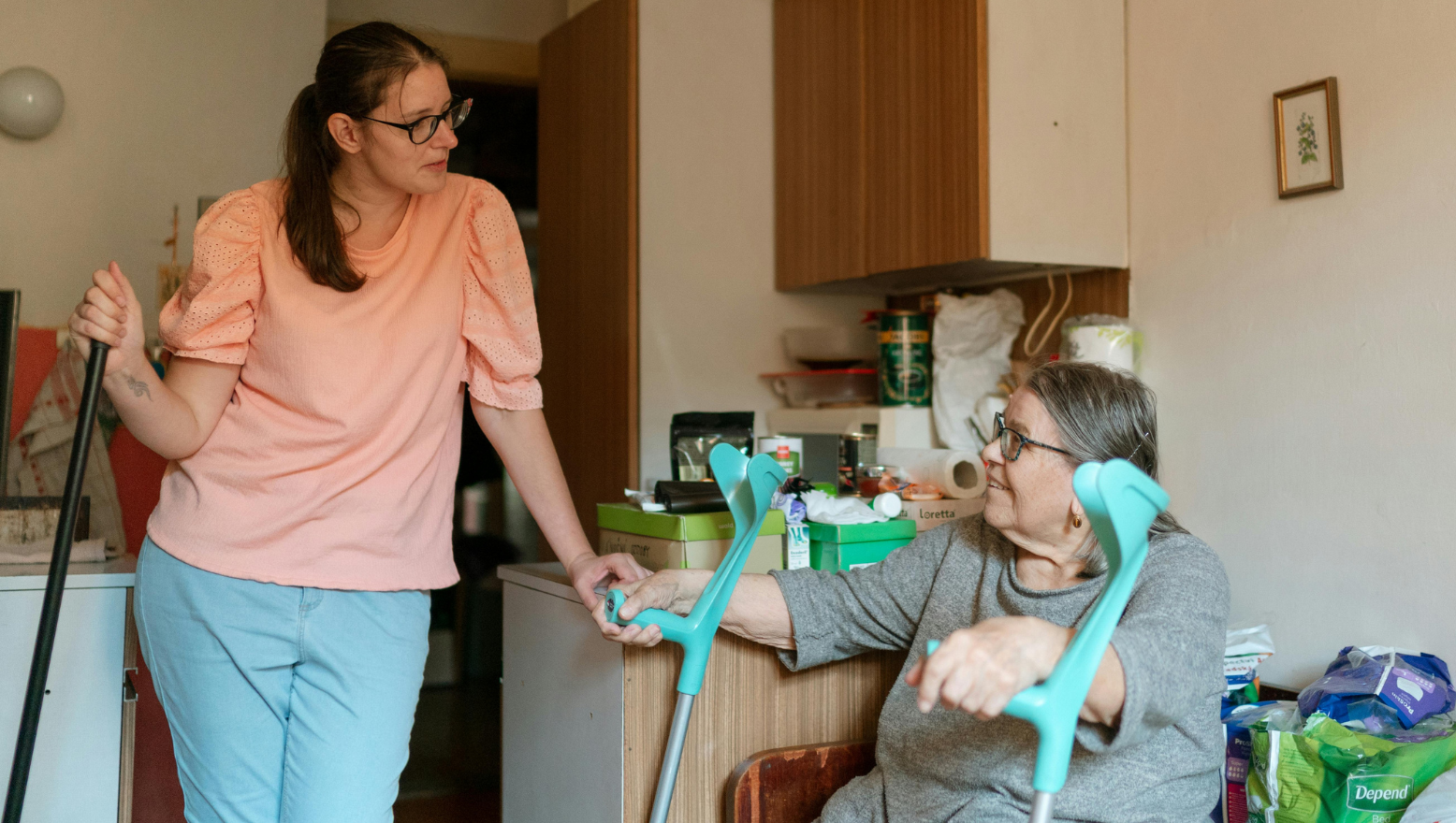
Over time, even simple chores that have been part of everyday life for decades can take more effort. Carrying groceries, bending to hang washing or standing for long periods in the kitchen can become tiring or risky.


As people grow older, changes in the body happen gradually. Their vision may start to change and is no longer as sharp as it once was. They might feel off balance more often, even in familiar spaces. Dexterity and flexibility can decline too, making movements that were once effortless feel stiff or uncomfortable.
These changes don’t happen overnight, and they don’t mean someone can no longer live independently. But over time, even simple chores that have been part of everyday life for decades can take more effort. Carrying groceries, bending to hang washing or standing for long periods in the kitchen can become tiring or risky.
When that time comes, support at home can help with the everyday tasks that make it easier to continue living safely and comfortably at home.
For older people living independently and their family members or loved ones who think “it’s too early”, here are ten everyday ways support at home can help.
Grocery shopping and meal preparation
Shopping and cooking are often the first things that start to feel harder. Supermarkets can be busy and tiring, and standing for long periods to prepare meals can place extra strain on the body.
Having someone assist with meal planning, grocery shopping or preparing simple meals at home can ease that load. This may involve cooking together, preparing food for the week ahead or ensuring there is always something easy and nourishing to eat.
Light housework
Everyday cleaning tasks like vacuuming, mopping or changing bed linen require balance, strength and energy.
Extra help with these jobs keeps the home clean, safe and comfortable, while reducing the risk of slips or falls and the physical strain that can come with these tasks.
Laundry
Laundry involves lifting, bending and reaching, movements that can become difficult over time.
Assistance with washing, drying, folding and putting clothes away helps maintain comfort and routine, without placing unnecessary pressure on joints and muscles.
Transport to and from appointments and errands
Over time, driving may feel less safe, and public transport may not always be suitable or accessible.
Support with transport allows people to continue attending medical appointments, visiting the pharmacy and running essential errands, without relying entirely on family or giving up independence.
Medication support
Managing medications can become more complex, particularly when routines change or there are several prescriptions involved.
Gentle reminders or help organising medications into a clear routine can provide reassurance. When needs are more complex, nursing support may also be introduced to make sure everything is managed safely.
You might want to check out Nursing Care services here.
Personal care
Personal care needs change over time. Showering, dressing or grooming may begin to feel tiring or unsafe, even if someone is still managing well in other areas.
Introducing support slowly and at a pace that feels right can help maintain comfort and dignity, whether that’s assistance once or twice a week or help during hotter or colder mornings.
Help with technology and paperwork
Phones, online appointments and paperwork are now part of everyday life, but they can be confusing or frustrating, especially when things keep changing.
Support at home can include help with setting up devices, using basic technology, booking appointments or organising paperwork. In some cases, assistive technology or simple home modifications may also be introduced to make everyday tasks easier and safer, such as devices that support communication or tools that reduce physical strain.
These supports are designed to make daily life more manageable, without overcomplicating things.
Moving safely around the home
Changes in balance and strength can make everyday movement more challenging, even in familiar spaces.
Having support nearby when moving around the home can increase confidence and reduce the risk of falls, allowing people to continue their routines safely.
Regaining confidence after illness or hospital stays
After an illness, fall or hospital visit, it’s common to feel less steady or unsure about returning to everyday routines at home.
Support during this time can help people regain strength and confidence at a pace that feels manageable. This may include short-term assistance at home after leaving hospital, helping with daily tasks and rebuilding routines as part of a hospital to home approach. The aim is to support recovery and independence, while reducing the stress of managing everything at once.
Basic garden maintenance
Gardens hold meaning and memories, but maintaining them can become physically demanding.
Help with light gardening tasks such as watering, weeding or keeping paths clear allows people to continue enjoying their outdoor space while staying safe.
Starting support earlier can help
One of the most common concerns families have is whether it’s “too early” to start support at home.
In many cases, starting earlier simply means addressing small challenges before they become bigger ones. Support can be flexible, adjusted over time and focused only on what is needed.
For families, it can also ease the pressure of trying to manage everything alone.
Support at home, your way
Support at home looks different for everyone. Some people need a little help with daily tasks. Others need more support as their health changes. What matters is that the support fits the person, not the other way around.
At Leora Healthcare, support at home is shaped around each individual and what feels right for them. This may include in-home support with everyday tasks, nursing support when needs become more complex or self-managed in-home care for those who prefer more choice and flexibility.
Support is guided by individual needs and assessments, with the aim of helping people continue living well, safely and comfortably in their own homes.
When needs change
Life rarely stays the same, and support at home is designed to change as circumstances change.
For people living with a life-limiting illness, support at home can also include palliative care. This care focuses on comfort, dignity and quality of life, and supports both the individual and their family during a deeply personal time. It’s about having the right help at the right time, so people can continue doing the things that matter most to them, in the place they feel most at ease.
For many people, that sense of comfort and familiarity makes all the difference.
Taking the next step
Start a conversation today with Leora. Whether you’re exploring options for yourself or someone you care about, we’re here to listen and help you understand what support at home could look like.