




Hospital in the Home: What it means for you
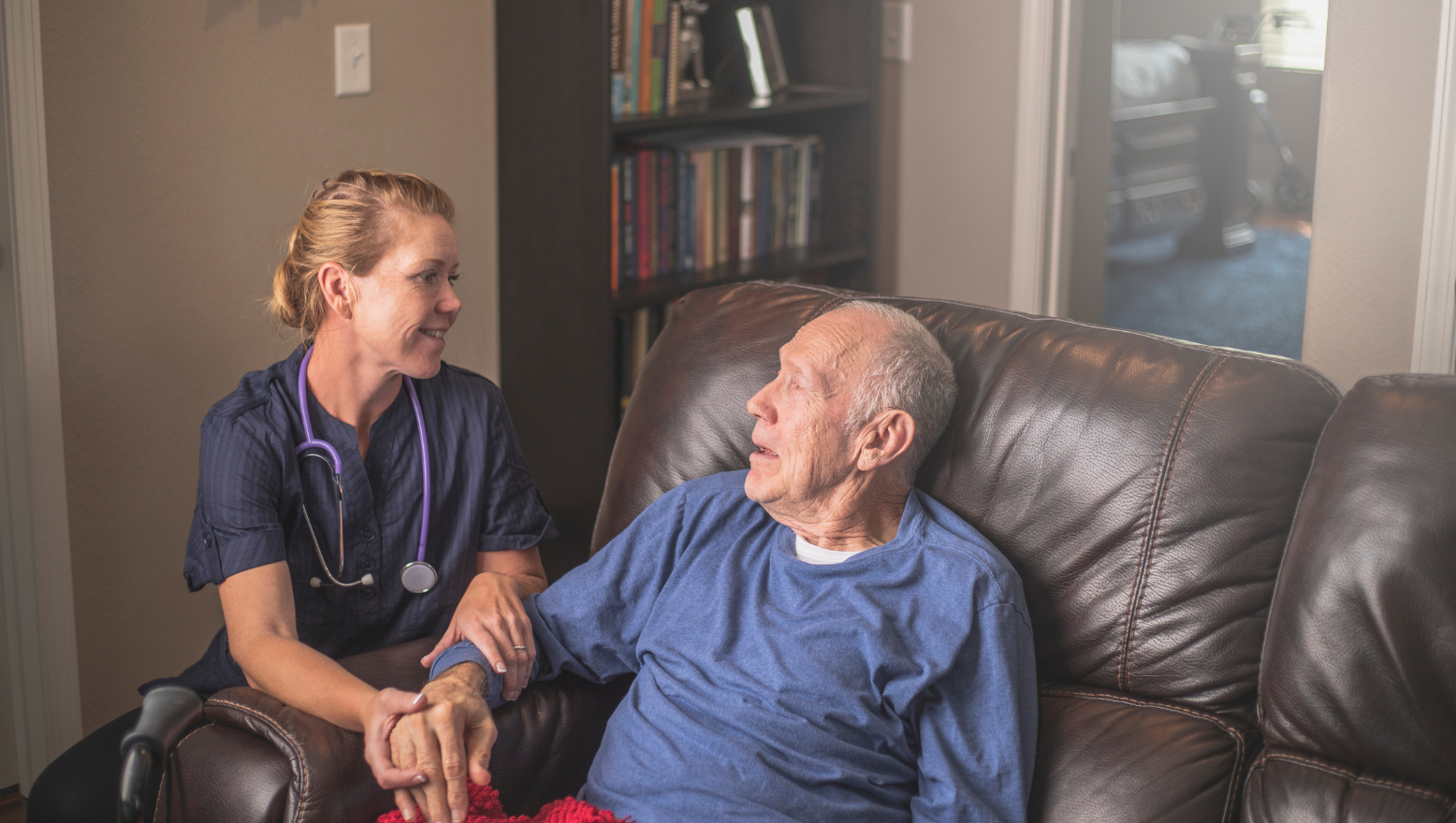
In some cases, treatment can be provided at home through a model known as Hospital in the Home. This approach allows certain clinical conditions to be safely and effectively managed in a home setting, while still receiving hospital-level care and oversight.


Table of Contents
If you or a loved one needs hospital-level care, staying in a hospital bed is not always the only option.
In some cases, treatment can be provided at home through a model known as Hospital in the Home. This approach allows certain clinical conditions to be safely and effectively managed in a home setting, while still receiving hospital-level care and oversight.
What is Hospital in the Home?
Hospital in the Home is a substitute for a hospital stay, allowing eligible patients to receive hospital-level care in their own home. While at home, the person remains an admitted hospital patient and continues to be overseen by their treating hospital team.
Depending on their needs, care may be delivered by nurses, doctors, allied health professionals and other supports arranged as needed. This option is generally offered when care can be provided safely in the home environment, and participation is based on the person’s consent.
It is still hospital care; the setting is just simply different. Hospital in the Home may include treatment and monitoring that would otherwise be delivered in hospital, including things like:
- acute clinical monitoring
- intravenous treatment
- wound care
- blood tests
- medication support
- short-term treatment overseen by a hospital team
Who is it for?
Hospital in the home is for people whose condition can be managed safely outside a physical hospital, with the right clinical oversight in place.
It is not general home care, domestic support or standard aged care. It is a form of acute healthcare delivered in the home when this is clinically appropriate.
How does Hospital in the Home work alongside Support at Home?
This is an important distinction. Hospital in the Home and Support at Home are different services, but they can be accessed at the same time.
For example, a person may receive hospital-level treatment through Hospital in the Home while still getting other practical help through Support at Home, such as cleaning, gardening or meal preparation.
It’s important to remember that that the same service cannot be provided by both at the same time. So, if nursing care is already being delivered through Hospital in the Home, that nursing support cannot also be provided through Support at Home.
Hospital in the Home does not replace every other type of care at home. It can work alongside other supports, as long as each service is doing something different.
Hospital in the Home funding
Hospital in the Home is generally funded and delivered through the hospital system rather than local government. It forms part of hospital care funded jointly by the Australian Government and state or territory governments, with services administered through the relevant state or territory health system.
Because Hospital in the Home is still hospital-level care, the person remains under the care of a hospital service.
This is what makes it different from broader care at home services. It is designed for short-term acute treatment that would otherwise require hospital admission, and not ongoing daily support.
It is a different way to receive hospital care—a more flexible way of delivering healthcare. For the right person, at the right time, home can be an appropriate place to receive safe, high-quality hospital treatment.
How is Leora’s Hospital to Home service different?
While Hospital in the Home provides hospital-level treatment at home, Leora’s Hospital to Home service is designed to support the move home after hospital. We people settle back in safely after surgery, illness or a longer hospital stay, with support tailored to their needs from the point of discharge.
That support may include transport home, medication administration, personal care, meal preparation, domestic assistance, and coordination with nurses, therapists or doctors as needed. Support can also begin on the day of discharge, helping the transition home feel more organised and less overwhelming.
If you or a loved one need support returning home after a hospital stay, Leora’s Hospital to Home service can help make that transition feel safer, smoother and more supported. Explore how we can assist with personalised care at home after discharge.