




Dementia care at home: Why the right support matters
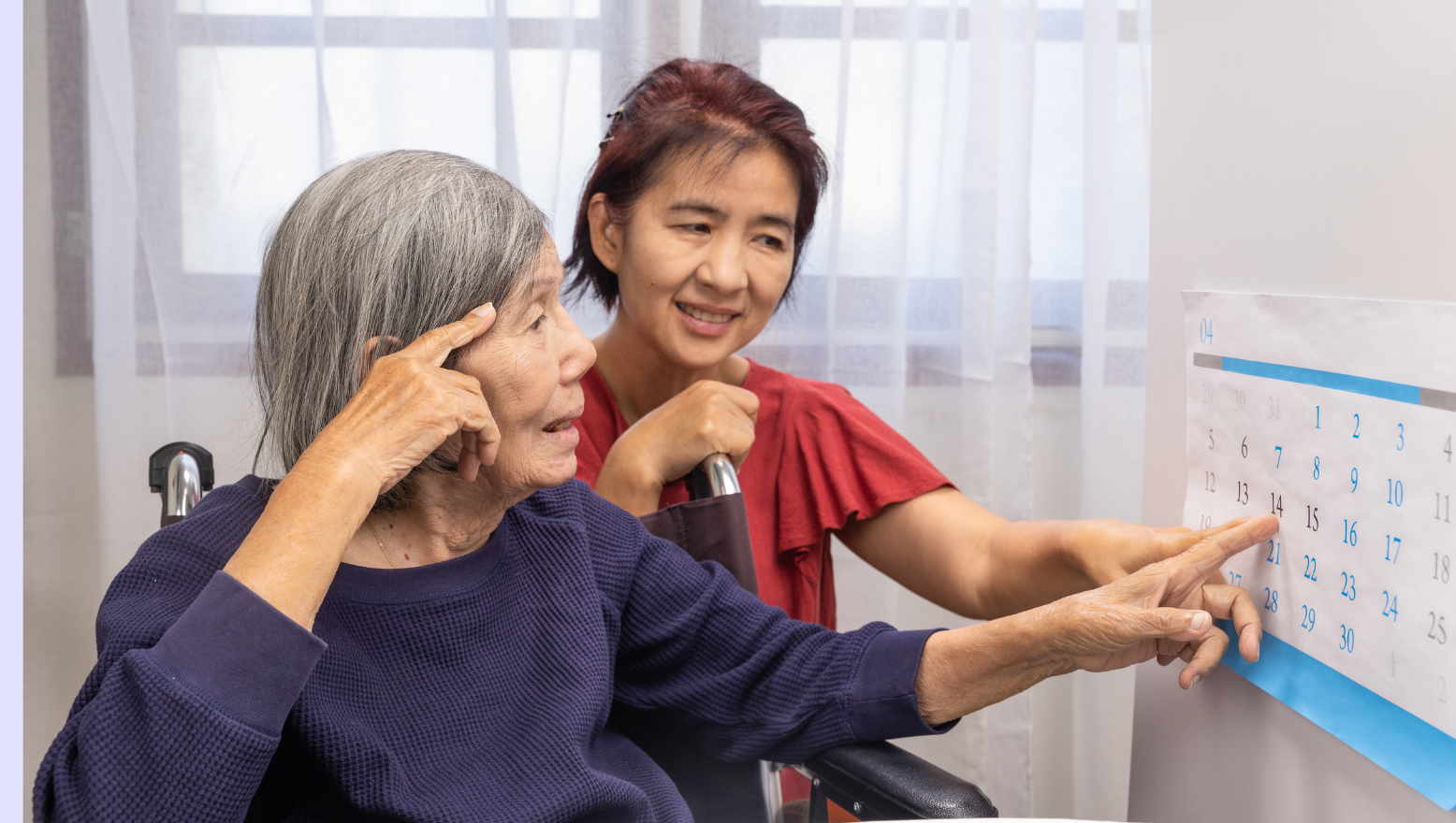
Trusted dementia care at home, helping people living with dementia feel safe, supported and understood in their own home.


Table of Contents
A person living with dementia may need help with everyday tasks like showering, dressing, meals, medication prompts, light housework or getting to appointments.
But dementia can also affect how someone understands instructions, responds to change or communicates discomfort.
For example, a person may refuse a shower not because they are being difficult, but because the moment feels confusing, rushed or frightening. A noisy room may feel overwhelming. A change in routine may cause distress. A repeated question may be a sign that they are anxious and need reassurance, not just an answer.
This is where the right support makes a real difference.
A dementia-trained carer knows how to slow down, simplify the next step, adjust their tone and help the person feel more settled before continuing.
The right carer knows when not to correct
One of the most important parts of dementia care is knowing how to respond when someone says something that may not be accurate.
It can be natural to correct them. But for a person living with dementia, correction can sometimes create more distress.
A trained carer listens for the feeling behind the words. Are they worried? Are they looking for someone familiar? Do they feel unsafe? Are they trying to make sense of where they are?
Instead of immediately correcting, a carer may offer reassurance, acknowledge the feeling and gently guide the person toward something familiar or calming.
This is not about ignoring the truth. It is about understanding that emotional safety often comes first.
Gentle redirection can help reduce distress
Redirection is another important part of quality dementia care. This means helping shift the person’s attention away from distress, confusion or agitation in a way that feels calm and respectful.
It might be as simple as offering a cup of tea, playing familiar music, looking through photos, going for a short walk or moving to a quieter space.
Good redirection does not feel abrupt. It does not make the person feel embarrassed or wrong. It follows what the person needs in that moment.
If they are anxious, the carer offers calm. If they are restless, they may suggest movement. If they are overwhelmed, they may reduce noise, slow the pace or offer fewer choices.
Small changes can make a big difference.
Good dementia care is personal
No two people experience dementia in exactly the same way. That is why good dementia care should always take the person’s life, preferences and routines into account.
What name do they like to be called? What music helps them settle? Do they prefer conversation or quiet companionship? Are there certain times of day when they become more unsettled? Do familiar objects, photos or routines help them feel more secure?
These details matter. When carers understand the person, not just the diagnosis, support can feel more natural, respectful and familiar.
The right support helps families feel reassured too
Dementia care does not only affect the person receiving support. It also affects families. Many families carry the worry of not knowing how the day went. Was Mum settled? Was Dad more confused than usual? Did something help? Is there anything we should know?
A good dementia care team communicates clearly and calmly. They notice changes, share helpful updates and explain what seemed to work.
That kind of communication can bring real reassurance, especially when families are trying to make decisions or understand changing needs.
Dementia care at home with Leora Healthcare
At Leora Healthcare, we provide dementia care at home that is thoughtful, practical and centred on the person.
Our approach focuses on understanding each person’s routines, preferences, communication needs and what helps them feel safe. We also support families with clear communication and a care team they can speak to when questions come up.
Because when someone you love is living with dementia, you are not just looking for help at home.
You are looking for people who understand what good dementia care actually requires.
If you are exploring dementia care at home, our team can help you understand your options and what support could look like. Contact us today to learn more.