





Mandatory SIL registration: What you should know
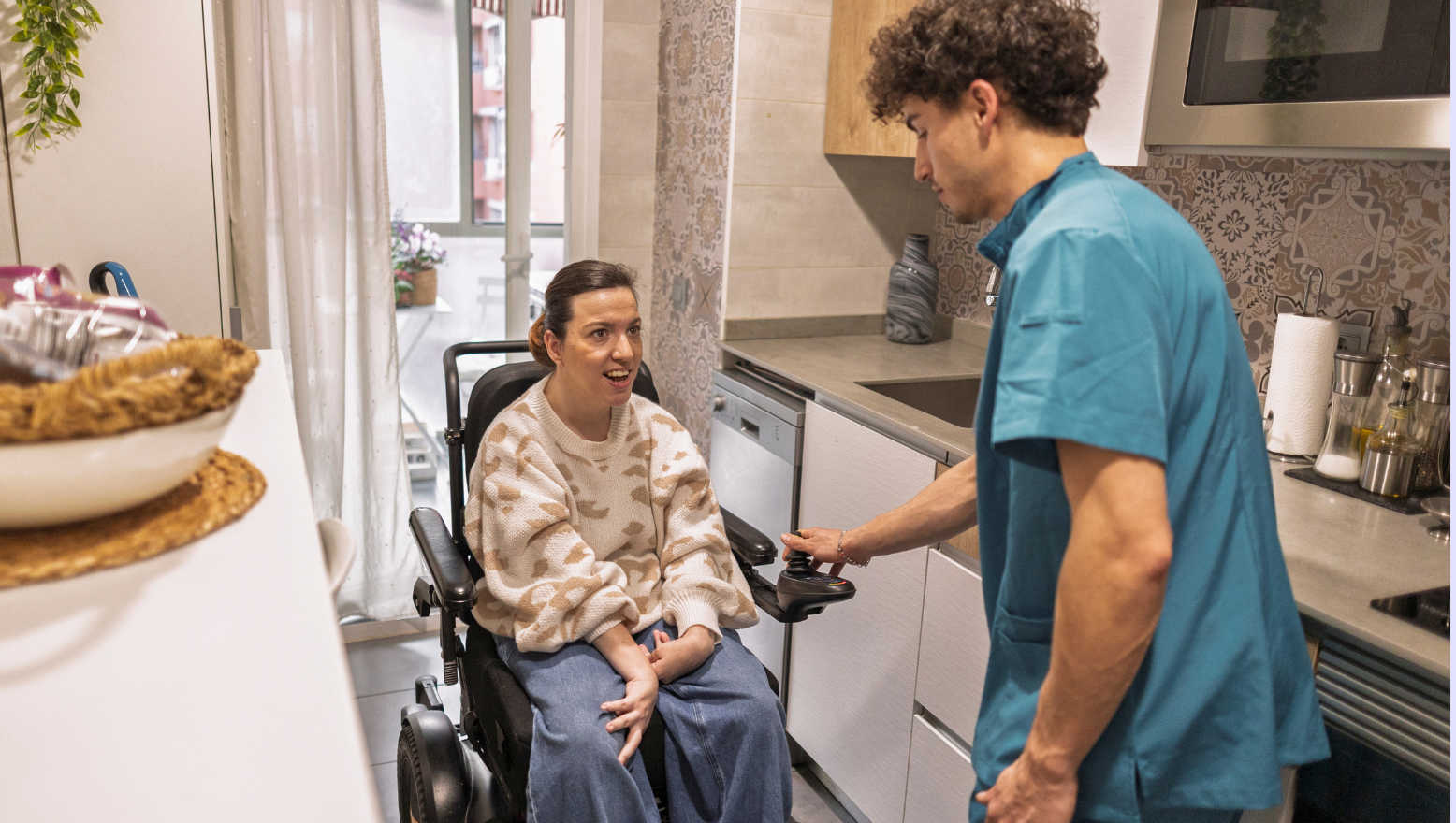
Understand the new SIL registration requirements and how they support clearer expectations for disability support delivered in a person’s home.


Table of Contents
From 1 July 2026, NDIS providers who deliver SIL must be registered with the NDIS Commission.
A new registration group has been created specifically for SIL: 0138 – Assistance with supported independent living.
Providers registered for SIL will need to meet the relevant NDIS Practice Standards, including new SIL Practice Standards designed for support delivered in a person’s home.
What is Supported Independent Living?
Supported Independent Living is for NDIS participants who need regular support at home for most of the day, or throughout the day.
This support may help with:
- daily routines
- personal care
- meals and household tasks
- building independence
- supervision and safety
- community access
- living as autonomously as possible
SIL is not usually for someone who only receives a few hours of support each week. It is also different from situations where a participant chooses, directs and manages their own support workers, including planning and rostering them.
Read more here: What is Supported Independent Living? – Leora Healthcare
Mandatory SIL registration: Why this change matters
When support happens in someone’s home every day, it needs to be consistent, respectful and well-coordinated.
Mandatory SIL registration helps set clearer expectations for providers. It also gives participants, families and referrers more visibility when choosing who delivers support.
This matters because SIL is not just about having support workers on a roster.
It is about how support is planned, how workers are trained, how communication happens and how the person’s rights, choices and routines are respected at home.
What the new SIL Practice Standards focus on
The new SIL Practice Standards are designed for the way SIL support is delivered in real homes and shared living environments.
They focus on what good support should look like in daily life.
That includes respecting each person’s voice, rights and freedoms, supporting choice and control, and making sure support is delivered in a way that fits the person’s needs, preferences and goals.
For participants and families, this means the provider should be able to explain how support is organised, how decisions are made and how the person remains at the centre of their care.
What to ask a SIL provider
If you are exploring SIL or reviewing current support, it can help to ask practical questions.
You may want to ask:
- Are you registered to provide SIL?
- How do you support choice and independence at home?
- How are support workers trained and supervised?
- Who coordinates communication with families, guardians or support coordinators?
- How do you manage changes in support needs?
- What happens if a regular support worker is unavailable?
- How do you keep support consistent across the home?
- How do you make sure the participant’s routines and preferences are understood?
These questions are not about making the process harder.
They are about helping you choose support with more confidence.
SIL is about home, not just housing
SIL support takes place where someone lives. That is why the way support is delivered matters.
A good SIL provider should understand the person’s daily rhythm. What helps them feel settled? What routines matter? What skills do they want to build? How do they like to communicate? What does a good day at home look like for them?
These details shape the whole support experience. SIL should help people live with more independence, take part in daily life and feel respected in their own home.
SIL support with Leora Healthcare
At Leora Healthcare, we understand that SIL is more than a support arrangement.
It is someone’s home, routine and everyday life.
As a registered NDIS provider, Leora brings together experienced support teams, care coordination, worker checks, practical systems and a strong focus on quality.
Our approach is centred on the person. We take the time to understand their goals, preferences, routines and support needs, so care feels consistent and respectful.
We support participants to build independence, stay connected to their community and feel more confident in daily life.
Looking for SIL support?
If you are exploring Supported Independent Living or looking for disability support at home, Leora Healthcare can help you understand your options.
Our team can talk through your needs, available accommodation and what the next step may look like.