




What support can you get after hospital discharge?
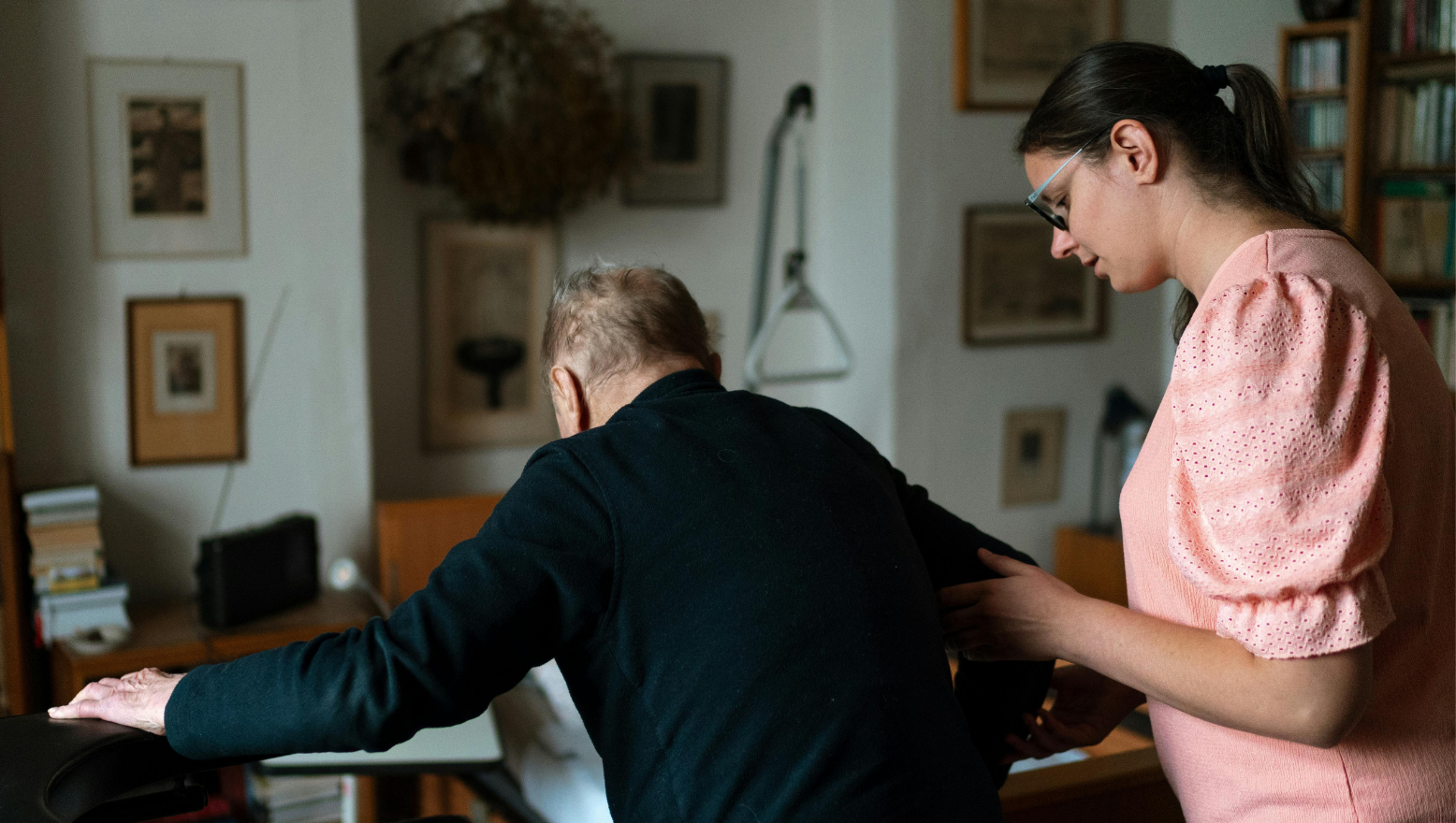
Whether you are recovering from surgery, illness, injury or a longer admission, support after hospital discharge can help you feel more organised, more confident and better supported at home.


Table of Contents
Coming home from hospital is an important part of recovery.
It is the point where you return to familiar surroundings, settle back into your routine and continue getting stronger at home. For many people, a little extra support during this time can make the transition feel smoother and more comfortable.
That support might be practical, clinical or simply help with the everyday things that are harder to manage straight after a hospital stay.
Whether you are recovering from surgery, illness, injury or a longer admission, support after hospital discharge can help you feel more organised, more confident and better supported at home.
What does hospital discharge support include?
The support you need after hospital will depend on your health, your home environment and what your hospital team has recommended.
For some people, it may only be short-term help for a few days or weeks. For others, it may become part of a longer care plan if their needs have changed.
Common types of hospital to home care may include:
- transport home from hospital
- help settling back in at home
- personal care, including showering, dressing and grooming
- meal preparation
- domestic assistance
- medication prompts
- nursing care
- wound care, where appropriate
- mobility support
- transport to follow-up appointments
- wellbeing checks and companionship
- coordination with nurses, therapists or doctors
The goal is simple: to support recovery in a way that fits the person’s needs and helps daily life feel more manageable.
Why the first few days at home matter
The first few days at home are a good time to set up routines that support recovery.
This may include organising medication, preparing meals, keeping follow-up appointments on track and making sure the home environment is comfortable and easy to move around in.
It can also be a helpful time to have someone check in, provide practical assistance and support the person as they get used to being home again.
Small things can make a big difference. A prepared meal, help with a shower, transport to an appointment or support getting settled for the day can all help recovery feel less interrupted and more supported.
What should be planned before coming home?
A smoother discharge often starts before the person leaves hospital.
Before going home, it can help to confirm:
- what support will be needed at home
- whether medication has changed
- whether follow-up appointments are booked
- if nursing or wound care is required
- whether equipment or mobility aids are needed
- if help with showering, dressing or meals would be useful
- who to contact with questions after discharge
- how transport home and to appointments will be arranged
This is where a checklist can be helpful.
Leora’s Hospital Discharge Planning Checklist is designed to help clients and families keep track of key questions, services and next steps before leaving hospital.
It gives you a simple way to prepare, so coming home feels more organised from the start.
Support is more than clinical care
After hospital, care is not only about medical instructions.
Everyday routines matter too. Being able to eat well, move safely, attend appointments, rest properly and feel comfortable at home can all support recovery.
That is why care after hospital discharge may include both clinical and practical support. A nurse may assist with health-related needs, while a Support Worker may help with personal care, meals, light household tasks, transport or companionship.
Together, these supports can help the person return home with more confidence and continue recovery in familiar surroundings.
When should you organise post-hospital care?
Ideally, post-hospital support is organised before discharge.
If the hospital stay is planned, such as surgery, you can arrange home care after a hospital stay ahead of time. This gives everyone time to understand what is needed and prepare the right services.
If discharge happens quickly, support can still be arranged. The sooner you speak with a provider, the easier it is to plan what help may be useful in the first days and weeks at home.
Support can be temporary while the person recovers, or ongoing if their care needs have changed.
Hospital to Home support with Leora Healthcare
At Leora Healthcare, we help people move from hospital to home with practical, personalised support.
Our Hospital to Home service can support people after surgery, illness, injury or a longer hospital stay. Depending on the person’s needs, this may include transport, personal care, meal preparation, domestic assistance, medication prompts, nursing support, mobility support and help getting to follow-up appointments.
Care starts before the first visit. We take the time to understand what the hospital team has recommended, what support will be helpful at home and what will make daily routines feel easier during recovery.
If you or someone you love is preparing to leave hospital, Leora can help you plan the next step. Contact our team to discuss what support may be needed at home and how we can help make the transition smoother.
****