






Our aged care team will take the time to understand what matters to you and explain how Leora can support palliative care at home.
Palliative Care at Home
Published
Summary
Explore restorative care at home with Leora. Receive short-term allied health, nursing and practical support to rebuild strength, confidence and independence.
Table of Contents
When someone is living with a life-limiting illness, being at home can bring familiarity, comfort and meaningful time together.
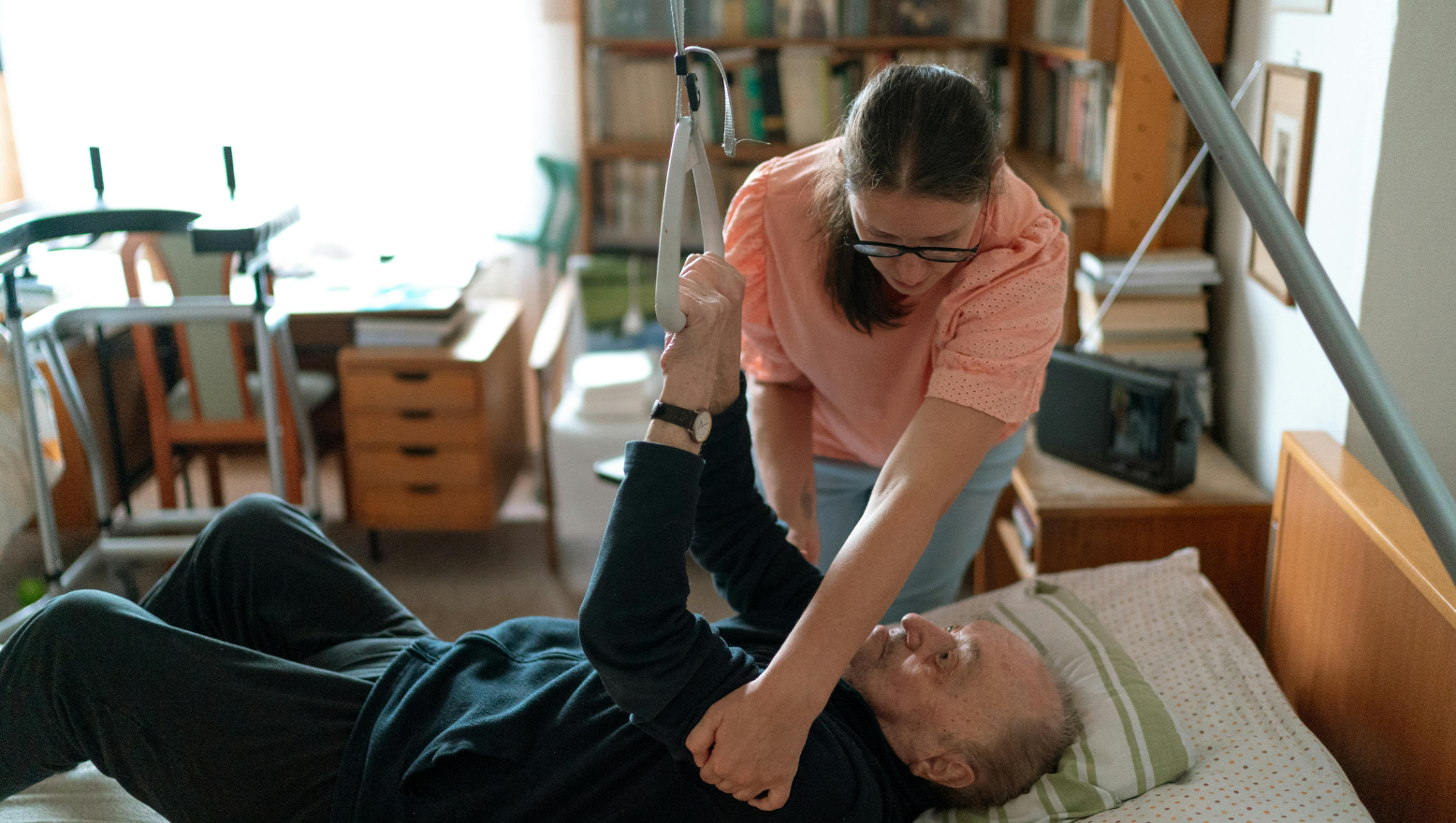
Leora provides compassionate in-home aged care and nursing support, working alongside families, doctors and specialist palliative care teams to help care come together around the person.
Care shaped around the person
Palliative care is about helping someone feel as comfortable, supported and connected as possible. Depending on the person’s needs and care arrangements, Leora may provide:
Personal care
Sensitive support with showering, dressing, grooming and daily routines.
Nursing care
In-home clinical support based on assessed needs.
Help around the home
Assistance with meals, laundry and everyday household tasks.
Respite for family carers
Dependable support that gives family members time to rest.
Care coordination
Clear communication with families and the wider healthcare team.
The End-of-Life Pathway
The End-of-Life Pathway is a short-term pathway within Support at Home for eligible older people assessed as having three months or less to live who want to remain at home.
It provides additional funding for approved in-home aged care services and is designed to complement, not replace, specialist state and territory palliative care services.
The pathway may support services such as personal care and meals while specialist palliative care teams continue to provide medical and symptom-management support.
Who may be eligible?
A person must meet the government’s eligibility requirements, including:
- Being within the applicable aged care age group
- Having a doctor or nurse practitioner estimate a life expectancy of three months or less
- Receiving an eligible clinical assessment score
- Wanting to remain at home
Medical evidence is required, followed by an aged care assessment or Support Plan Review.
How Leora can help
1. Understand your care needs
We listen to the person, family and healthcare professionals involved.
2. Plan approved services
We help arrange the right mix of personal, nursing and practical support.
3. Coordinate care at home
Our team works alongside existing medical and palliative care services.
4. Respond when needs change
Care arrangements can be reviewed as the person’s needs and priorities change.
Why families choose Leora
- Compassionate care centred around the person
- In-home nursing and aged care support
- Clear communication with families
- Respect for routines, wishes and cultural preferences
- Coordinated support from an experienced Support at Home provider
Frequently asked questions
Is palliative care only for the final days of life?
No. Palliative care may begin earlier in a life-limiting illness. The End-of-Life Pathway is a separate short-term Support at Home pathway for eligible people assessed as having three months or less to live.
Does Leora replace specialist palliative care?
No. Leora provides approved in-home aged care and nursing support and works alongside specialist medical and palliative care services.
Can family members be involved?
Yes. With the person’s consent, family members, carers and representatives can take part in planning care.
Can someone access the pathway if they are not already receiving Support at Home?
Potentially, yes. Eligible people may be referred for a high-priority aged care assessment.