



Tech Support for Seniors: Can Support at Home Help With Phones, Tablets and Video Calls?
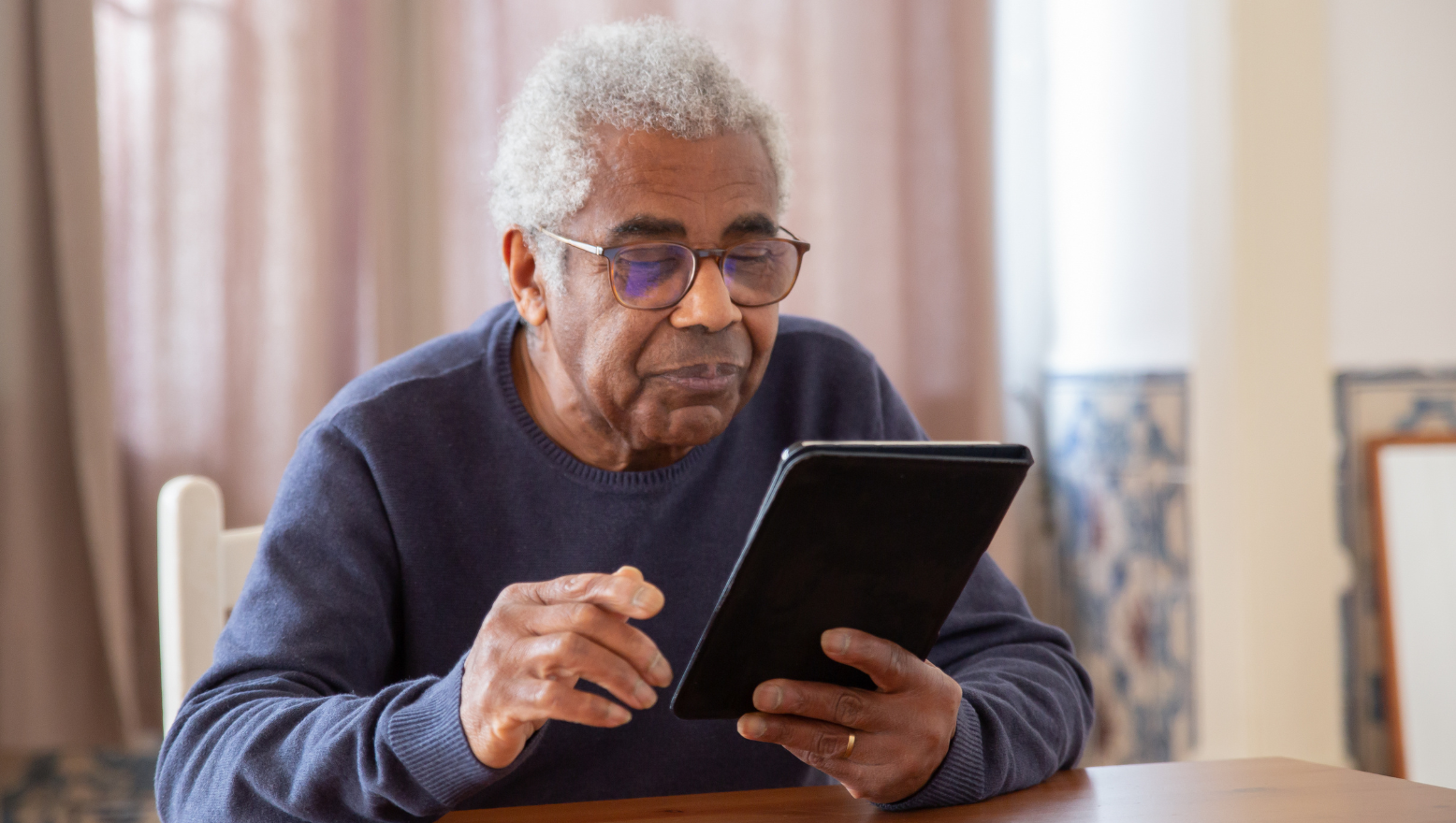
A video call shouldn’t feel complicated. Neither should opening a telehealth link or sending a message. See how Support at Home can help older people feel more confident with everyday technology and stay connected to the people and services that matter.


For many older people, staying connected now involves more than a phone call.
It might mean joining a video call with family, booking a telehealth appointment, checking an email, paying a bill online or learning how to use a tablet without feeling rushed.
These are small digital tasks for some people, but they can make a big difference to daily life.
Under Support at Home, tech support for seniors may be available when it helps the person stay independent, connected and involved in community life.
The key is understanding what kind of digital support may be included, what may sit outside the program and when another service, such as the Be Connected Seniors Program, may be more suitable.
What digital support can include
The Support at Home service list includes Digital education and support under Social Support and Community Engagement. This service is designed to support social connection and participation in community life. It may include training or direct assistance to use technology where it supports independence and participation, such as paying bills online, accessing telehealth or connecting with digital social programs.
In everyday terms, this could include help with:
- making or joining video calls
- using a phone or tablet
- accessing telehealth appointments
- reading or sending messages
- using email
- paying bills online
- joining online social programs
- using digital services more confidently
- setting up simple routines for staying connected
My Aged Care also lists digital learning as part of Social Support and Community Engagement, including help with video chatting on a computer or tablet, paying bills online and accessing telehealth.
Why digital support matters
Digital support is not about turning every older person into a tech expert.
It is about helping someone use technology in ways that are useful to them.
For one person, that might mean joining a weekly video call with grandchildren. For another, it might mean using telehealth so they can speak with a health professional from home. Someone else may want helpchecking messages, managing appointments or joining an online community group.
The aim is practical: help the person stay connected, informed and more confident using the tools they already have.
Does Support at Home pay for phones or tablets?
Usually, no.
Support at Home may help with digital education and support, but the purchase of smart devices for online engagement is listed as out of scope under the Support at Home service list.
So, if someone already has a phone, tablet or computer, Support at Home may help them learn how to use it for approved purposes, where it is part of their care plan.
But if the question is, “Will Support at Home buy me a tablet so I can make video calls?”, the answer is generally no.
This is where it helps to separate:
Digital support: learning, guidance or assistance using technology
Device purchase: buying the phone, tablet, computer or smart device itself
They are not treated the same way.
Where does AT-HM fit?
The Assistive Technology and Home Modifications scheme, or AT-HM, is separate from the ongoing Support at Home quarterly budget. It provides separate funding for approved equipment, products and home modifications that help a person live safely and independently at home.
AT-HM may include certain assistive technology products where there is an assessed need. However, general smart devices for online engagement are not automatically covered. If a device or technology product is being considered as assistive technology, it needs to be assessed and approved through the right pathway.
That is why this topic can be cross-tagged with AT-HM, but the article itself should mainly sit under digital support, social connection and Support at Home.
What about the Be Connected Seniors Program?
The Be Connected Seniors Program is another useful option to know about.
The Support at Home service list notes that digital education may be out of scope where the person’s need can be met through Be Connected, a program delivered through the Department of Social Services.
This means some older people may be directed to Be Connected for free digital learning support, especially if they need general help learning how to use technology.
Support at Home may be more relevant when digital support is connected to the person’s assessed care needs, independence, participation or ability to access services.
What digital support could look like at home
In-home tech support for seniors can be simple and practical.
A Support Worker may help someone practise making a video call, open a telehealth link, check that their device is charged, find an appointment message or use a phone safely during a visit.
For someone who feels nervous about technology, having patient support can make the process feel less frustrating.
It can also help family members. Instead of explaining everything over the phone, they know the person has someone beside them to help with the steps.
Questions to ask before arranging digital support
Before adding digital support to a care plan, it may help to ask:
- What does the person want to use technology for?
- Do they already have a phone, tablet or computer?
- Do they need help with video calls, telehealth, bills or messages?
- Is this support part of their assessed needs?
- Could Be Connected meet the need instead?
- Will a participant contribution apply?
- Is any equipment being requested through AT-HM?
- How often will support be needed?
These questions help make sure the support is useful, appropriate and clearly planned.
Digital support with Leora Healthcare
At Leora Healthcare, we help older Australians and families understand how digital support can fit into everyday care.
That might mean help with video calls, telehealth, messages, online appointments or using technology to stay connected with family and community.
Our team can also help explain what may be included under Support at Home, what may need to be accessed through another program and when AT-HM may need to be considered for approved assistive technology.
If you or someone you care for needs help using phones, tablets or video calls, speak with Leora Healthcare. We can help talk through what support may be suitable and how it can fit within a Support at Home care plan.