






What is the Restorative Care Pathway?
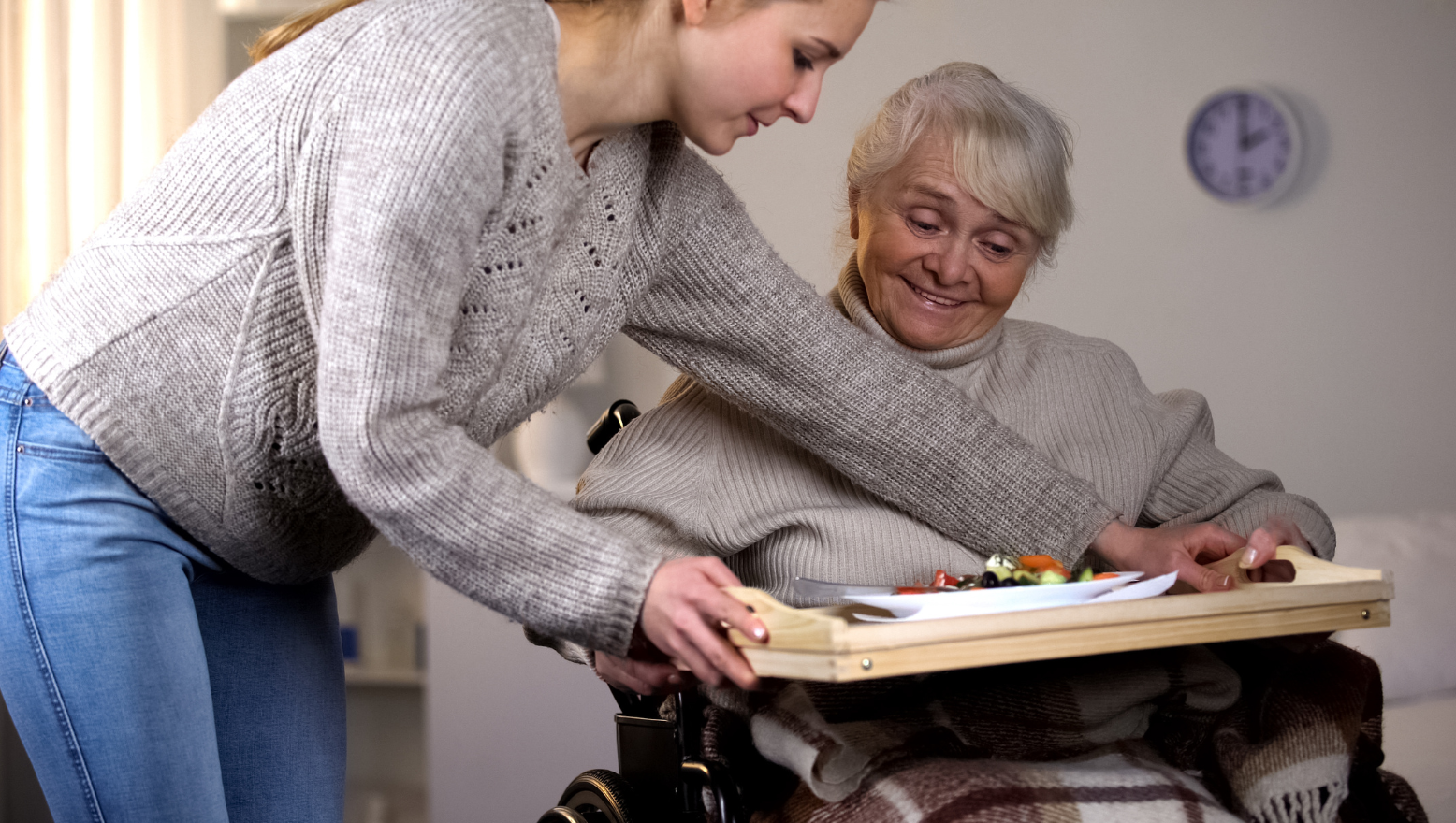
Learn what the Restorative Care Pathway involves, how long it runs, who provides the care and how it supports your independence under the Support at Home program.


Table of Contents
Have you ever worried that a fall, illness or surgery could make everyday tasks harder, and wondered whether you’ll ever feel confident walking around or managing at home the way you used to? That’s exactly why the Restorative Care Pathway exists: to help you regain strength and independence so you can keep living safely in your own home.
The Restorative Care Pathway is part of the Support at Home program and was introduced on 1 November 2025, replacing the former Short-Term Restorative Care (STRC) programme.
Why the Restorative Care Pathway matters
This pathway is a short-term, intensive burst of support designed to restore your day-to-day functioning. It is especially helpful if you have recently had a health setback such as a fall, hospital stay, surgery or decline in mobility, but have the potential to regain ability with the right support.
The aim is simple: help you get back to doing the things you enjoy like moving around, being independent at home, and carrying out daily activities, rather than moving you into longer-term, intensive care unless absolutely necessary.
What the Pathway involves for you
If you are approved for the Restorative Care Pathway, here’s how it works:
- You receive up to 16 weeks of restorative care, giving ample time for recovery and rebuilding.
- The care is delivered by a multidisciplinary team, which could include physiotherapists, occupational therapists, exercise physiologists, dietitians, nurses or other allied health professionals, depending on what you need.
- Together with your care team you set clear, personal goals — for example, getting steady on your feet again, improving strength, managing a condition, or learning how to carry out daily tasks more safely. Your care provider coordinates a goal plan tailored to your needs.
Funding and flexibility
One of the big advantages of the Restorative Care Pathway is that it offers a dedicated budget, around A$6,000 per 16-week episode to fund the allied health and nursing support you need.
If additional services are needed, there may be approval for further funding, up to another A$6,000.
Importantly, this budget is separate from any ongoing Support at Home services you may already be receiving so you don’t need to dip into your usual services to access restorative support.
What this means for you
If you choose to access the Restorative Care Pathway, you are giving yourself a chance to recover and rebuild in a safe, supportive, home-based environment.
You could:
- improve mobility and balance, reducing risk of falls
- become more confident and independent in daily tasks
- restore strength, coordination and functional capacity
- delay or avoid the need for more intensive long-term care
Access Restorative Care Pathway through Leora
At Leora Healthcare, we believe everyone deserves the chance to restore their independence when life changes. If you think the Restorative Care Pathway could help you or a loved one, we’re here to explain how it works and support you every step of the way.