






What it really takes to grow: Our Founder and Co-CEO on the costly mistakes and hard-won lessons of scaling
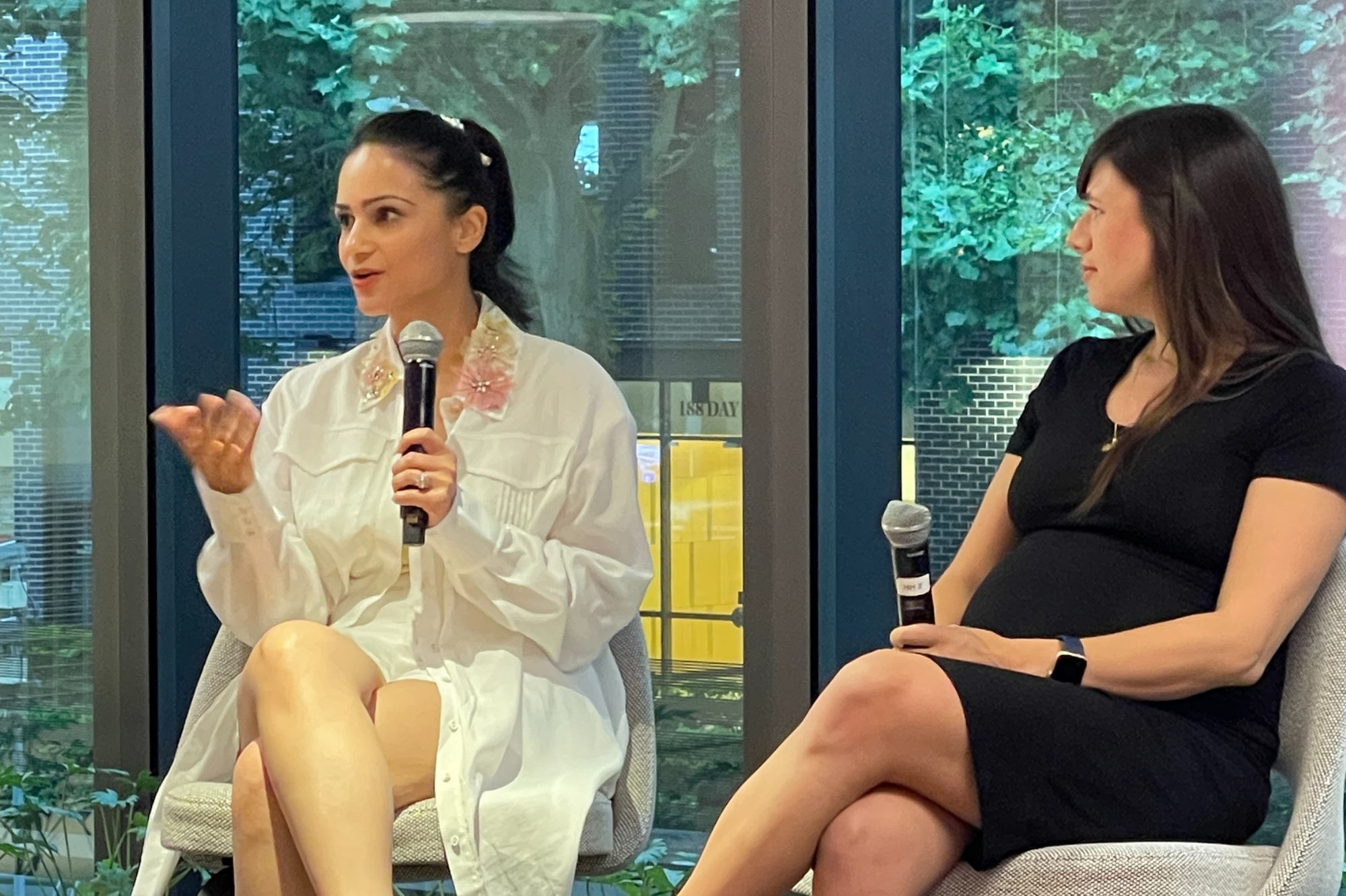
Leora Healthcare’s Founder and Co-CEO, Esha Oberoi, gets raw and candid about the behind-the-scenes truths of building a scalable business.


Women leaders share practical lessons on scaling at WIN’s “Start to Scale” forum
Women founders, executives and emerging leaders gathered in Sydney for the inaugural Start to Scale Forum, an event hosted by Women in Numbers (WIN) in partnership with Melanin Magazine and Commonwealth Private.
Among the speakers was our very own Leora Healthcare Founder and Co-CEO, Esha Oberoi, who joined a panel of business and investment leaders to discuss the realities of growing organisations in an increasingly complex environment. She appeared alongside Aussie Angels CEO Cheryl Mack, Commonwealth Private’s Josephine Hanna and investment strategist Chris Watson, with the session moderated by community leader Simran Nandan.
The forum focused on the practical side of scaling, what founders encounter behind the scenes and the considerations often overshadowed by the headline successes of high-growth businesses.
Realities behind growth
In her remarks, Esha said growth today requires more than operational capability.
“You’re reaching more people than ever before, but the expectation is that every interaction feels personal. And that personalisation matters deeply” she said.
Esha also reflected on leadership challenges during periods of correction.
“This year we made difficult cost rationalisation decisions. It demanded authority, but also compassion. Leaders are often expected to be decisive all the time, but adaptability is just as important,” she noted.
Capital decisions under scrutiny
When discussion turned to funding, Esha encouraged founders to weigh capital carefully.
“If you don’t need the money, don’t raise it. External capital brings new pressures. It’s not just financial aspect of it. It changes the culture of the organisation,” she emphasised.

the real challenges behind scaling a business.
Her comments drew agreement from fellow panellists, who noted that the current economic climate has prompted many early-stage businesses to rethink their capital strategies, favouring sustainability over speed.
Governance without the panic
Esha also spoke on governance maturity, an area many scaling businesses struggle to time correctly.
“Good governance protects you, but introducing too much structure too early can slow momentum. You need to match the system to the stage.”
The discussion highlighted that governance, when approached proportionally, strengthens a business rather than constraining it.
In one of the more candid moments, Esha shared decisions she says reshaped her approach to leadership.
Learning from missteps
She noted that adopting a formal, corporate tone early in the business growth phase stalled growth and hindered performance in multiple layers. She also spoke about expanding into a service area that unintentionally competed with referral partners. Healthcare is built on trust and it is heavy relational selling.
“That decision cost us three years of relationship-building. It taught me that you better of doing one thing, doing it really well and partnering for holistic supports.”
Guidance for founders
Esha closed by referencing advice that has stayed with her, including Richard Branson’s long-held view that companies should remain “flat” for as long as possible to preserve agility.

She added that stepping away from sales too early in her organisation’s journey weakened alignment with customer needs. “Founders need to stay close to sales and marketing. It’s the heart of the business operations.”
A forum designed for sustainability and deeper understanding of business realities
WIN’s Start to Scale Forum aimed to bring realistic, lived experience to the forefront, offering a counterbalance to the high-level narratives often associated with business growth.
Speakers encouraged founders to prioritise clarity, resilience and community support, noting that scaling is rarely linear and often demands a combination of discipline and flexibility.
The event closed with a focus on peer connection, with attendees sharing their own growth experiences growth across an unpredictable economic landscape.