




What meaningful support work looks like at Leora
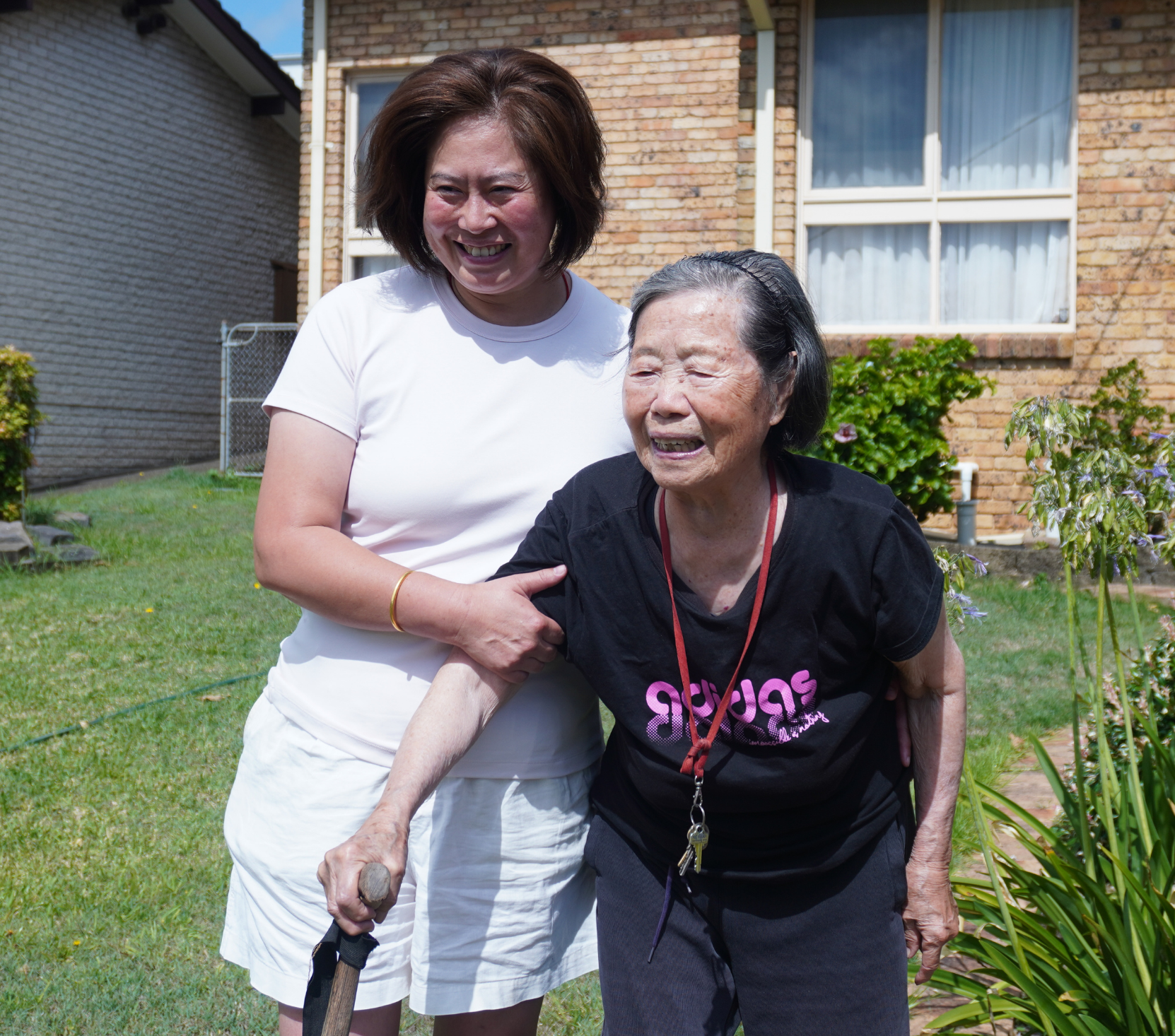
We at Leora believe meaningful support work is about understanding your life, respecting your choices and providing support in a way that feels thoughtful, consistent and genuinely human.


Table of Contents
When you hear the term support worker, it can mean many different things.
You may be looking for help for yourself or someone you love. You may be exploring disability support, trying to understand what an NDIS support worker does or wondering what kind of support is available for an ageing parent at home. You may even be comparing options such as an independent support worker or a larger provider.
Whatever brings you here, one thing matters most: support should feel right for you.
We at Leora believe meaningful support work is about understanding your life, respecting your choices and providing support in a way that feels thoughtful, consistent and genuinely human. Whether you are looking for NDIS support workers, a disability support worker, or an aged care support worker, the quality of that support can shape how safe, confident and understood you feel each day.
What is a support worker?
A support worker is someone who helps you with day-to-day living in a way that supports your independence, wellbeing and goals.
Depending on your needs, that support may include help at home, assistance with personal routines, community access, transport to appointments, social connection, meal preparation, medication prompts, or simply having someone reliable by your side. In the right setting, support work is not only practical. It can also bring reassurance, stability and confidence to everyday life.
- A disability support worker may support you to build skills, maintain routines, take part in your community or work towards personal goals. An NDIS support worker provides this support under an NDIS plan, helping you make the most of the supports available to you.
- On the other hand, an aged care support worker may help older people remain safe, comfortable and connected while continuing to live at home.
While the language may differ, the heart of the role is the same: good support work helps you live more fully, with the right support around you.
Understanding disability, NDIS and aged care support
If you are exploring care for the first time, it is valid to feel unsure about the differences between these areas of support.
- Disability support is centred on helping you live as independently and confidently as possible, in a way that reflects your preferences, goals and everyday life.
- NDIS support work refers to support delivered within the framework of the National Disability Insurance Scheme. If you have an NDIS plan, your support may be shaped around the goals and funding in that plan, while still being tailored to your individual needs.
- Aged care support is designed for older people who may need extra help to remain well and comfortable at home. This can include personal care, domestic support, companionship or more complex care needs depending on the situation.
Although these pathways are different, the experience of receiving support should still feel personal. You should feel listened to, respected and supported by people who take the time to understand what matters to you.
What makes support work meaningful?
Meaningful support work starts with seeing you as a person, not a checklist.
That means your support worker is not just there to complete a schedule and move on. They are there to understand your routines, your preferences, your personality, and the way you want support to fit into your life.
This matters because good support is rarely one-size-fits-all. Two people may have the same funding category or similar care needs, but the right support for each person may look very different. One person may value structure and routine. Another may need a gentler, flexible approach. One may want support to build independence out in the community. Another may simply want calm, respectful help at home.
Meaningful support work is built on the things that make a real difference over time: consistency, trust, empathy, communication and the ability to respond to your needs with care and professionalism.
How we support work the Leora way
We know that inviting someone into your home or your everyday life is a big decision. That is why we place such importance on getting the right fit from the beginning. We believe support should feel considered, not rushed, and personal, not transactional.
For you, that means support is shaped around your needs, your routine and your goals. It means taking the time to understand not just what support is required, but how that support should feel. It means looking beyond the task list to the person at the centre of care.
Our Leora support workers are part of a wider team that values thoughtful matching, clear communication, and continuity of care. Rather than leaving you to navigate everything on your own, we work to make sure you feel supported by a service that is responsive, respectful, and grounded in real understanding.
This is especially important if your needs change over time. Good support should be able to adapt with you. Whether you need help with disability support, NDIS-funded services, or support related to ageing, the experience should remain centred on dignity, safety and trust.
Independent support worker or provider team?
You may have come across the term independent support worker while considering your options.
For some people, that model may feel appealing because it can offer flexibility and direct choice. At the same time, many people also value the reassurance that comes with a supported provider model, where there is a broader team behind the scenes.
When you choose a provider, you are not only choosing one worker. You are also choosing the systems, communication, oversight, and continuity that sit around that support. That can make a real difference when schedules change, needs become more complex, or additional guidance is needed.
At Leora, we believe strong support is not only about the individual worker. It is also about the quality of the service around them. That wider structure helps create a more dependable experience for you and your family.
What should you look for in a support worker?
If you are choosing a support worker, it helps to look beyond experience alone.
You deserve someone who listens well, communicates clearly and treats you with warmth and respect. You want someone who understands that support is personal, and that trust is built through consistency and care in the small moments as much as the big ones.
It is also worth asking yourself how the support feels.
- Do you feel heard?
- Does the person take time to understand your routines and preferences?
- Is the support empowering, or does it feel rushed and generic?
- Is there a team you can turn to if something changes?
Whether you are seeking a disability support worker, NDIS support workers or an aged care support worker, the right support should help you feel more confident in your daily life and never the other way around.
If you are exploring support worker jobs
Although this article is written for our clients and their loved ones, it is worth saying that the quality of your experience is closely connected to the quality of the people delivering support.
Many people exploring support worker jobs, disability support worker jobs, NDIS jobs, or NDIS careers are drawn to the role because they want to do meaningful work. That matters. Support work can be deeply rewarding, but it also comes with real responsibility. It calls for patience, emotional intelligence, reliability, and a genuine commitment to supporting people well.
If someone is wondering how to become a support worker, the pathway can vary depending on the role and the setting. In many cases, providers will look for relevant experience, training, and role-specific compliance requirements. These may include an NDIS worker screening check, also referred to as NDIS worker screening or an NDIS worker check, depending on how the requirement is described. These safeguards are there to help protect participants and support safe, quality service delivery.
For you as a client, this matters because good support work does not happen by accident. It is shaped by the values, standards and people behind the service.
Why support work matters
The best support work does more than help you get through the day.
It can make life feel more manageable, more connected and more your own. It can help you maintain routines, build confidence, stay engaged in your community, and feel more at ease in your own home. It can offer families peace of mind, knowing their loved one is being supported with care and respect.
Most of all, meaningful support work helps you feel seen.
That is what we believe support should do at Leora. Not simply fill a shift, but bring the right kind of support into your life in a way that feels thoughtful, dependable and genuinely person-centred.
If you are exploring support work at Leora, looking for disability support, or wanting to understand what good NDIS support work or aged care support should feel like, we believe it starts with the same principle every time: taking the time to understand you.